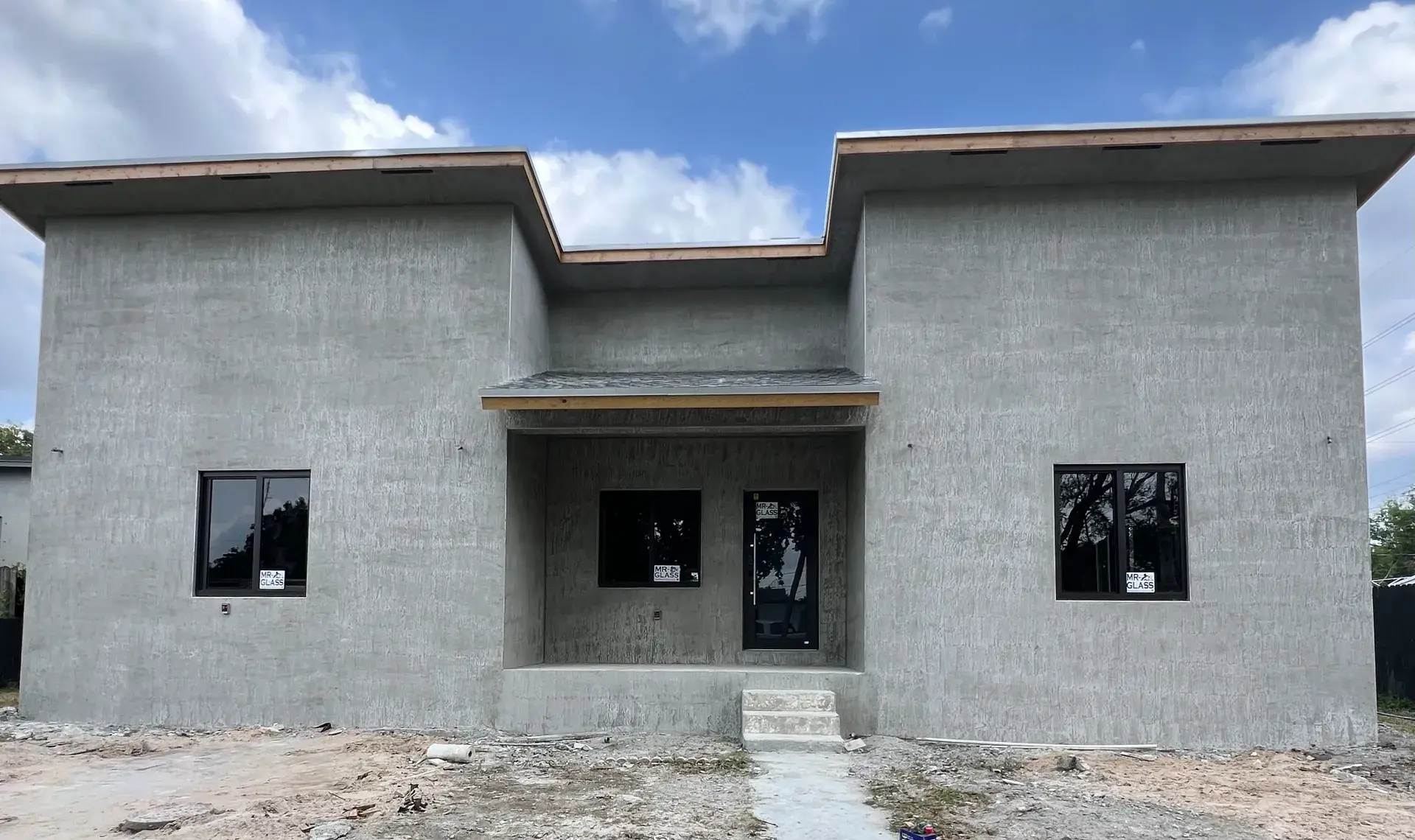
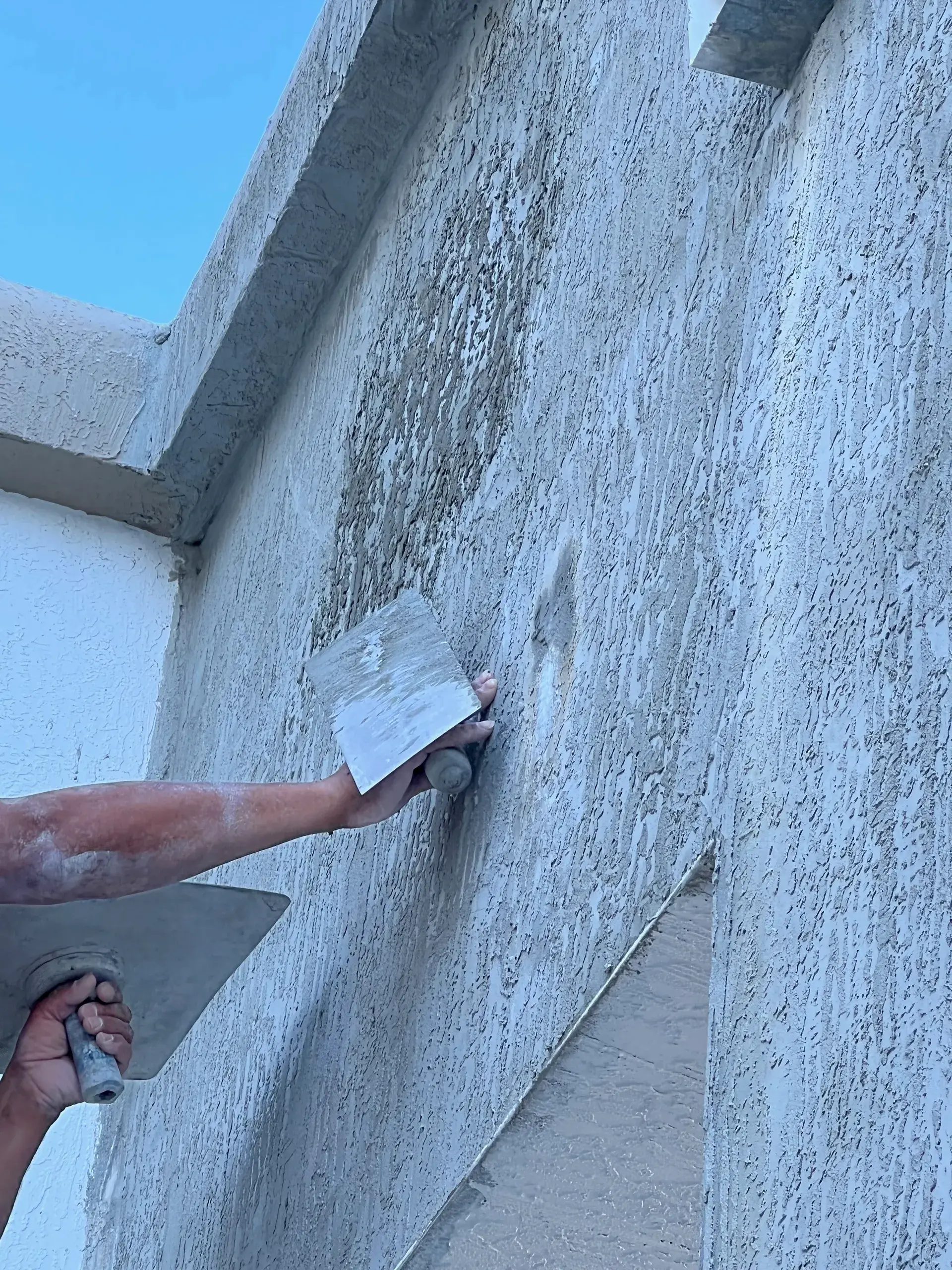
Why Choose Stucco for Your Home?
But what makes stucco so special? Stucco is known for its insulating properties, contributing to the energy efficiency of homes. It's also a material that can be tailored to fit modern and contemporary designs, offering homeowners a wide range of customization options.
This guide will delve into the world of stucco homes. We'll explore everything from the installation process to the selection of modern colors for painting your stucco home.
Whether you're a homeowner considering stucco for your home exterior, a DIY enthusiast looking for repair tips, or simply interested in home design, this guide is for you.
Let's embark on this journey to discover the charm and practicality of stucco homes.
Introduction to Residential Stucco
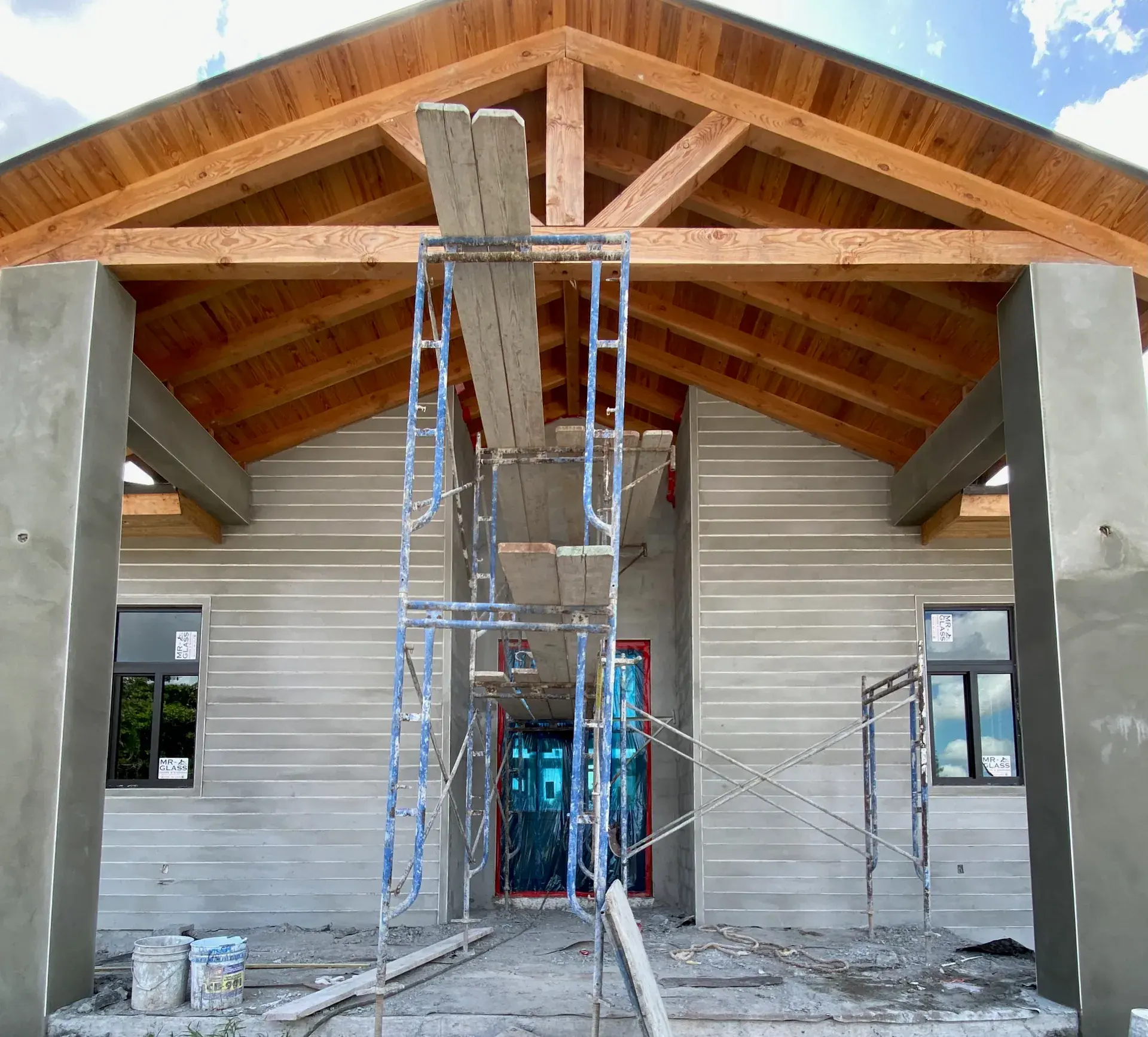
Stucco is a unique exterior finish that has been used for centuries. It is a versatile material made from cement, sand, lime, and water. Stucco has gained popularity due to its durability and ability to transform homes.
The versatility of stucco allows it to adapt to various architectural styles. From Mediterranean to modern, stucco can deliver the look you desire. Its adaptability is among the reasons why many homeowners prefer it for their exterior finishes.
Moreover, stucco homes are renowned for their energy efficiency. The material's natural insulating properties can help maintain a comfortable indoor temperature. This not only enhances living conditions but also saves on energy costs, making stucco an economically viable choice.
Maintenance is straightforward with stucco homes. Regular cleaning and minor repairs ensure the material remains in top condition. This low-maintenance appeal adds to the overall attractiveness of stucco for homeowners who value convenience.
Brief History of Stucco Homes
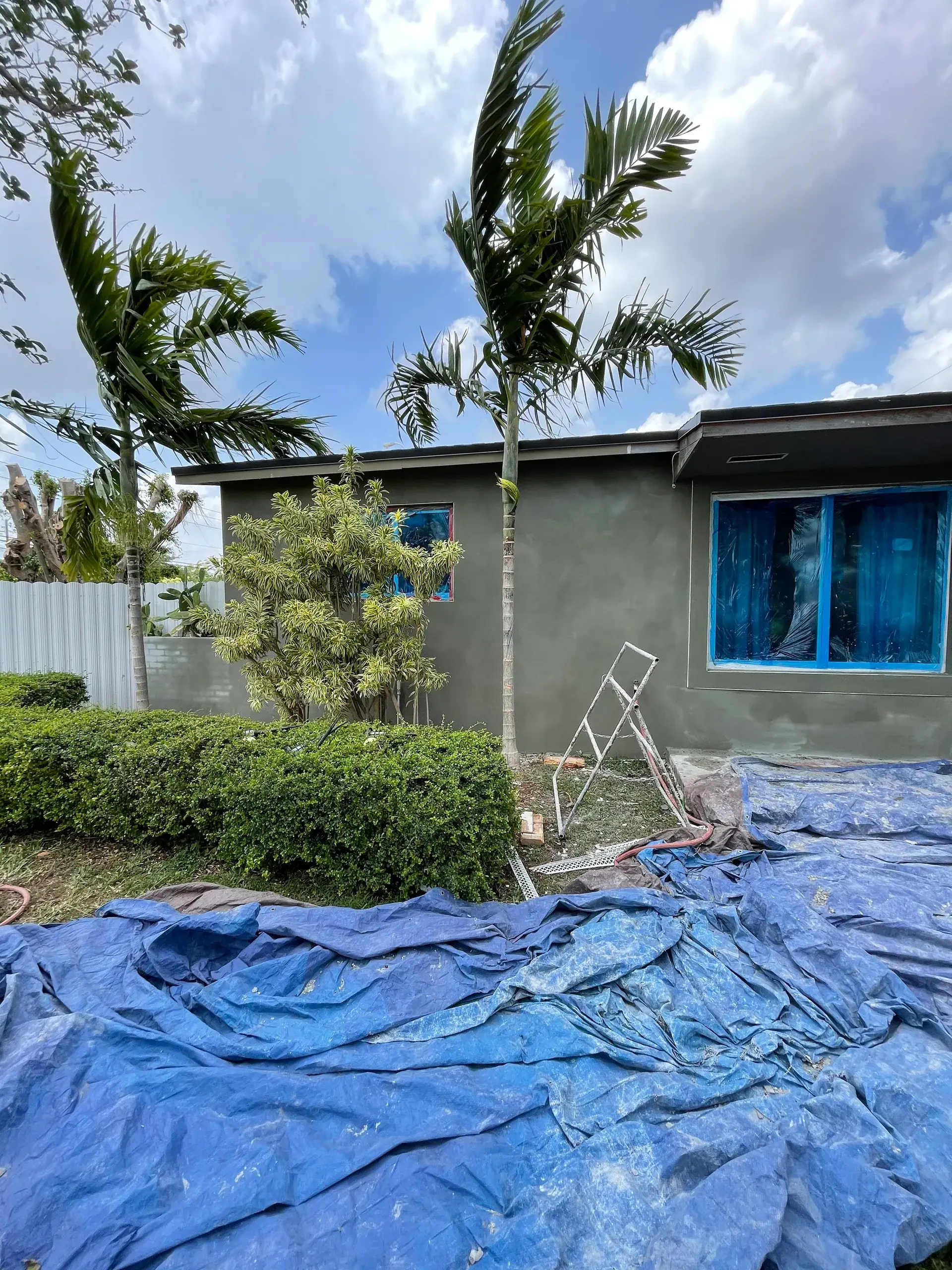
Stucco's origins can be traced back to ancient civilizations. The Greeks and Romans used it for their structures, valuing its aesthetic appeal and strength. This decorative plastering technique evolved over the centuries, adapting to changes in architectural styles.
In the early 1900s, stucco gained prominence in North America. It became a popular choice for Spanish Revival homes and later for ranch-style homes in the mid-20th century. Its ability to mimic stone and its versatile texture options made it a favorite among builders and architects.
Today, stucco remains a preferred material for residential exteriors. Its enduring appeal lies in its ability to provide both functional and aesthetic benefits. While its formulation has evolved, its core qualities of durability and beauty remain intact.
Historical Fact
Stucco has been used for thousands of years – from ancient Greek and Roman architecture to modern-day South Florida homes.
Current Trends in Stucco Design

Minimalist Aesthetics
Modern stucco homes are embracing contemporary designs with clean lines and minimalist aesthetics. Homeowners are opting for sleek textures, often combining stucco with materials like metal and wood. This combination creates striking contrasts, enhancing the visual appeal of home exteriors.

Bold Color Choices
Color choices have also expanded. While traditional earth tones still have their charm, vibrant and bold colors are becoming more popular. These colors add character and a personalized touch to homes, reflecting modern tastes and preferences.

Artistic Elements
Another trend is the incorporation of artistic elements into stucco finishes. Homeowners are experimenting with mosaics, murals, and textured finishes to make their homes stand out. These creative applications not only enhance aesthetics but also allow for unique expressions of personal style.
Advantages of Stucco Homes
Stucco homes offer a range of benefits that make them attractive to homeowners seeking durability and style. One of the primary advantages is its robustness. Stucco can withstand various weather conditions, from dry heat to heavy rain, ensuring longevity. With proper care, a stucco exterior can last up to 50 years, making it a wise long-term investment.
The material is also highly versatile, allowing homeowners to choose from different finishes and textures, which enhances curb appeal.
Energy Efficiency
Stucco's insulating properties keep homes cooler in the summer and warmer in the winter. Reduced energy consumption translates to lower utility bills, offering financial savings over time.
Fire Resistance
Stucco's fire-resistant nature adds a layer of security that other exterior materials may lack. This attribute makes it an appealing choice for those prioritizing safety in their home design.
Environmental Benefits
The environmental benefits of stucco are notable. This material is often made from natural components like lime and sand. Using these renewable resources minimizes environmental impact, aligning with sustainable building practices.
Additionally, stucco's energy-efficient properties contribute to lower energy consumption, reducing your home's carbon footprint. These benefits make stucco an eco-friendly choice for homeowners seeking to reduce their environmental impact.
Stucco is also resilient in various climates, minimizing the need for frequent repairs or replacements. This durability means less waste over time, contributing to its sustainability.
Furthermore, modern formulations and application techniques improve the material's environmental performance, making stucco increasingly appealing to environmentally conscious homeowners.
Eco-Friendly Choice
Stucco's natural ingredients and energy-saving insulation properties make it one of the most sustainable exterior finishes available.
Cost-Effectiveness Over Time
Stucco stands out for its cost-effectiveness over the long term. Although the initial installation might be more expensive compared to vinyl or wood siding, the savings accrue with reduced maintenance and repair needs.
Unlike other materials, stucco requires little more than occasional cleaning to maintain its appearance. This low-maintenance aspect saves both time and money for homeowners.
Moreover, the energy savings from stucco's insulating properties can help offset higher installation costs. Reduced heating and cooling expenses contribute to a lower cost of home ownership over the years.
Additionally, stucco's durability can boost property value, offering a return on investment when it comes time to sell the home.
Aesthetic Flexibility
The aesthetic flexibility of stucco is one of its strongest appeals. Stucco can be customized in a variety of colors and textures, enabling homeowners to create unique exteriors that stand out.
Whether you prefer a smooth finish or a more textured appearance, stucco accommodates diverse stylistic preferences.
Stucco also adapts well to other materials, such as stone, wood, or metal. This adaptability allows for creative combinations and contrasts that can enhance architectural design.
Contemporary stucco homes often incorporate these elements to achieve a modern aesthetic, complete with clean lines and striking colors. This versatility ensures stucco remains relevant in both traditional and modern design contexts.
Discussing the Installation of Stucco Siding
Installing stucco siding is a meticulous process that should ideally be left to professionals. However, understanding the basics can be beneficial for homeowners overseeing a project.
Proper installation ensures the stucco exterior's longevity and resilience against the elements. The process typically begins with preparation, which includes cleaning the surface area thoroughly to remove dirt and debris. In some cases, a wire mesh may be installed to provide a gripping surface.
The application involves multiple layers, starting with a scratch coat, followed by a brown coat, and finally the finish coat. Each layer must dry completely before adding the next, requiring careful timing and consideration of weather conditions. Regular inspections during the installation process can catch issues early, ensuring the final product is smooth and free of defects.
Costs and timelines may vary based on the complexity of your home's design and the regional climate.
Steps to a Successful Installation
Choose the Right Contractor
Look for professionals with stucco-specific expertise and good references.
Prepare the Surface
Install a weather-resistant barrier. This base layer is crucial for preventing moisture intrusion, which can cause long-term damage.
Apply Stucco Layers
Ensure each coat is evenly applied and allowed to dry fully before proceeding.
Finishing Touches
Texture and color can dramatically enhance your home's exterior.
Tools and Materials Needed
Essential Tools
Installing stucco requires specific tools to ensure a quality finish. Essential tools include a hawk and trowel for applying the stucco, and a float for texturing. A mixer is necessary to combine the stucco materials to the proper consistency. In addition, ladders or scaffolds may be needed to safely reach higher sections of your home.
Key Materials
Key materials involve the base components of stucco — cement, sand, and lime. Water and reinforcing mesh are also essential. Beyond these basics, choosing the right finish layer materials, such as additives for specific colors or textures, can make a difference in the final look. Always source materials from reputable suppliers to ensure quality and durability.
How to Use Stucco Patch from Home Depot
Prepare the Area
Clean the damaged area to remove any loose or crumbling stucco. Lightly sand the surface for better adhesion.
Mix & Apply
Mix the stucco patch according to the package instructions, often requiring just the addition of water. Use a putty knife to apply the patch, smoothing it out to match the surrounding texture.
Dry & Finish
Allow it to dry completely before applying any paint or additional finish. This method offers a cost-effective way to maintain the integrity of your stucco home without professional intervention.
Care and Repair of Your Stucco Home
Caring for your stucco home is key to maintaining its beauty and longevity. Stucco is known for its durability but requires regular attention to remain in peak condition.
Awareness of potential issues and proactive maintenance can prevent costly repairs in the future. Begin with understanding the unique needs of stucco, differing from other exterior materials like wood or vinyl.
Stucco is prone to cracking due to settling or weather changes. While minor cracks can be normal, larger ones need immediate attention. Keeping an eye out for discolorations and surface bulges is also crucial, as these can indicate water damage.
Regular visual inspections of your home's exterior, especially after severe weather, will help catch issues early.
Pro Tip
Schedule visual inspections of your stucco exterior after every major storm or hurricane season to catch potential issues before they become costly repairs.
Routine Maintenance Tips
Biannual Inspections
Inspect your exterior twice a year, ideally in spring and fall. Look for any cracks, chips, or stains.
Gentle Cleaning
Use a mild detergent mixed with water and a soft brush to remove grime. High-pressure washing is discouraged.
Clear Gutters
Regularly clear out rain gutters and downspouts to prevent water pooling near the foundation.
Apply Sealant
Apply a stucco-specific sealant every few years to enhance moisture resistance and maintain structural integrity.
Identifying and Fixing Common Stucco Problems
Identifying common stucco problems early can save you from extensive repairs.
Cracks
The most frequent issue, often caused by the natural settling of your home. Small, hairline cracks can typically be filled with stucco patch products available at local stores.
Bulges & Dark Streaks
These might signify water intrusion, particularly during wetter seasons. Such cases require prompt professional assessment to prevent further damage.
Discoloration
Possibly from algae or mold, discoloration can usually be treated with a gentle cleaning solution and scrub.
Chipping & Flaking
May occur due to impact or weather conditions. Small repairs can often be managed with matching touch-up kits. Larger areas might need reapplication by professionals.
Regularly applying finishes and sealants not only conceals minor flaws but also prevents them from escalating into significant defects.
Color Options for Contemporary Stucco Homes
Choosing the right color for your stucco home can significantly enhance its curb appeal. Contemporary stucco homes often feature clean, sleek lines and a modern aesthetic.
This style is complemented well by a thoughtful selection of paint colors. Your choice of color can reflect both your personal taste and the home's architectural style.
Timeless Neutrals
Neutrals are a timeless choice for stucco homes, providing a sophisticated and elegant look. Shades like taupe, beige, and soft gray are popular for their versatility and understated beauty.
Earth Tones
For those seeking a more bold and distinctive look, consider earth tones or rich accent colors. Deep greens, rusty reds, and sunny yellows can add character and warmth. Warm, earthy tones like terracotta or ochre add depth and richness, often complementing Mediterranean or Southwestern architectural styles.
Nature-Inspired
Modern colors for stucco take inspiration from nature, incorporating shades that evoke tranquility and balance. Blues and greens are especially popular, offering a fresh and airy feel. Pastels like light blue, soft lavender, or pale green can create a peaceful ambiance.
Bold Statements
Bold choices like charcoal, navy, or even black can make a striking statement. When paired with contrasting trim or metal accents, these choices can highlight the home's architectural features.
Color & Value
The color of your stucco home can directly impact its market value. Homes with well-chosen colors that highlight architectural details can command higher prices.
Final Thoughts on Choosing Stucco for Your Home
Stucco can transform your home into a modern, eye-catching masterpiece. Its durability, aesthetic flexibility, and energy efficiency make it a wise investment for homeowners.
Regular maintenance ensures it remains in excellent condition for decades, offering a smooth, beautiful finish.
Selecting stucco involves considering factors like climate, budget, and style preferences. An understanding of these elements will help you make informed decisions.
Remember to engage skilled professionals for installation and repairs to ensure quality results. When planning your stucco project, think about the long-term benefits.
Stucco enhances curb appeal and increases property value, making it an attractive option.
Stay open to modern trends and innovations in color and texture to keep your home updated.
Ultimately, stucco provides a canvas for expressing your style while offering a sturdy exterior. As you explore this versatile material, let creativity guide you in creating a contemporary stucco home that stands the test of time.