Introduction: Understanding the Versatility of Stucco
Stucco is a traditional building material known for its durability, versatility, and timeless aesthetic. Whether you're a homeowner, contractor, or architect, stucco offers endless possibilities to enhance a building's appearance while providing robust protection.
Key Information About Stucco
Stucco is a blend of cement, sand, lime, and water applied in layers to create a hard, protective exterior finish. It can be textured, tinted, or painted to achieve a wide range of looks, making it suitable for various architectural styles.

Highly Durable
Weather resistant and built to last for decades with proper care.

Fire Retardant
Offers fire retardant properties and excellent insulation.

Low Maintenance
Low maintenance yet requires periodic upkeep to stay looking great.
Main Pros and Cons
Pros
- ✓Durable and long-lasting finish
- ✓Excellent insulation properties
- ✓Customizable textures and colors
- ✓Fire and moisture resistant
Cons
- ✗Prone to cracking over time
- ✗Requires professional installation for optimal results
- ✗Periodic maintenance needed to preserve appearance
User Reviews and Insights
"Stucco was a game-changer for my home's exterior."
— Homeowner review
Users across platforms appreciate stucco for its durability and classic look. Contractors and designers also praise its versatility, though some mention that improper installation can lead to cracking.
Characteristics of Stucco
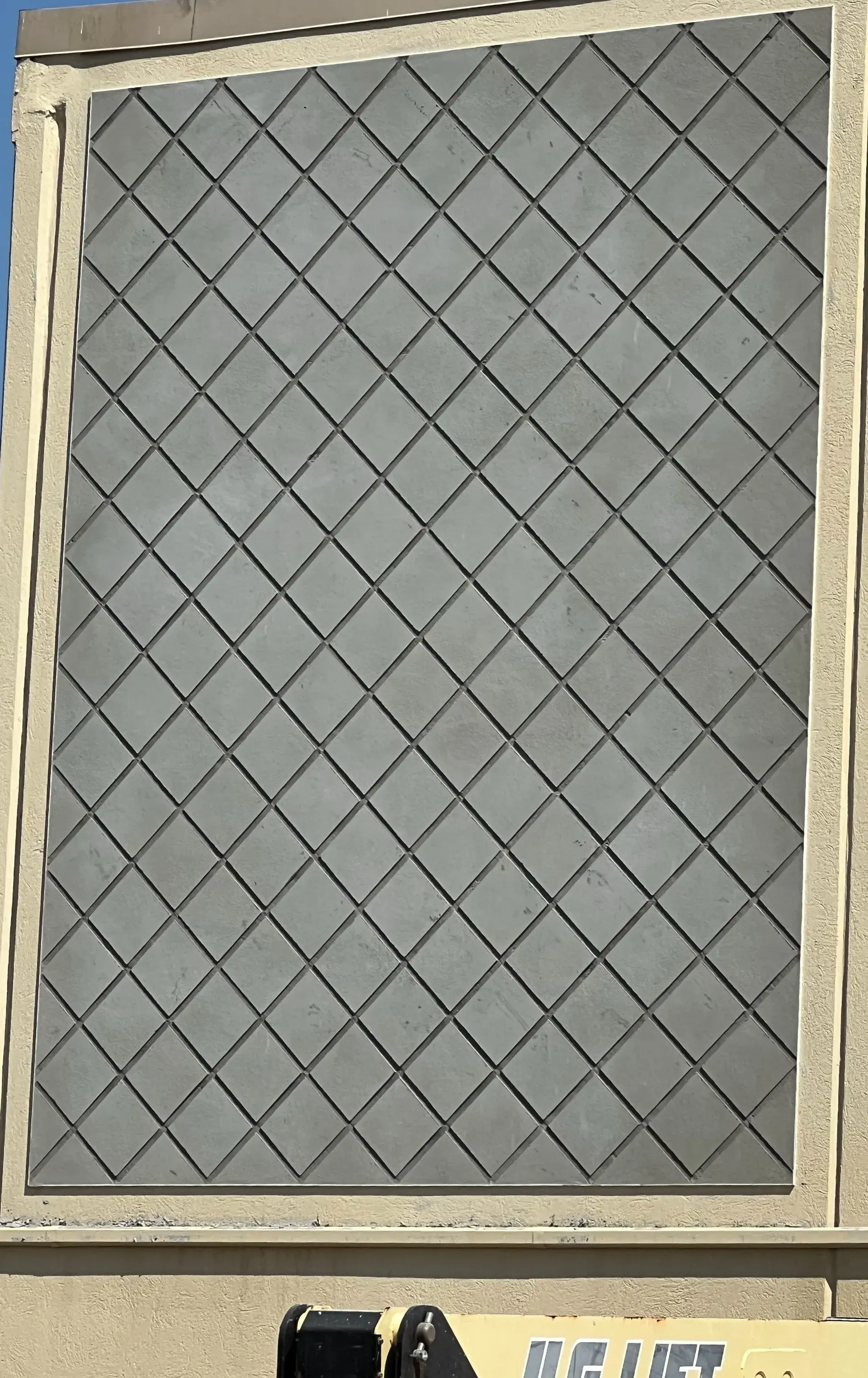
Stucco is celebrated for its ability to provide a seamless, customizable finish that complements a variety of architectural styles. Its strengths include:
Long-Lasting
Resistant to fire, mold, and pests.
Energy Efficient
Offers excellent insulation, reducing energy costs.
Versatile Application
Can be applied to wood, concrete, metal, and other substrates.
Important: Stucco must be properly installed and maintained to avoid issues such as cracking or moisture damage.
Installation and Application of Stucco
The application of stucco is a multi-step process that includes:
Surface Preparation
Clean and repair the substrate, apply a bonding agent.
Base Coat Application
Apply a base coat with reinforcement mesh.
Finish Coat
Texture and color are added to achieve the desired look.
Curing
Allow proper drying and hardening to ensure durability.
Pro Tip: Professional installation is key to achieving the best results and ensuring the longevity of your stucco finish.
Comparing Stucco to Other Building Materials
When deciding between stucco, brick, or vinyl siding, consider the following:
Stucco
Durable, fire-resistant, and energy efficient. Requires skilled installation.
Brick
Timeless and low maintenance, but heavier and more expensive to install.
Vinyl Siding
Cost-effective and easy to install; less durable and prone to fading.
Stucco Homes
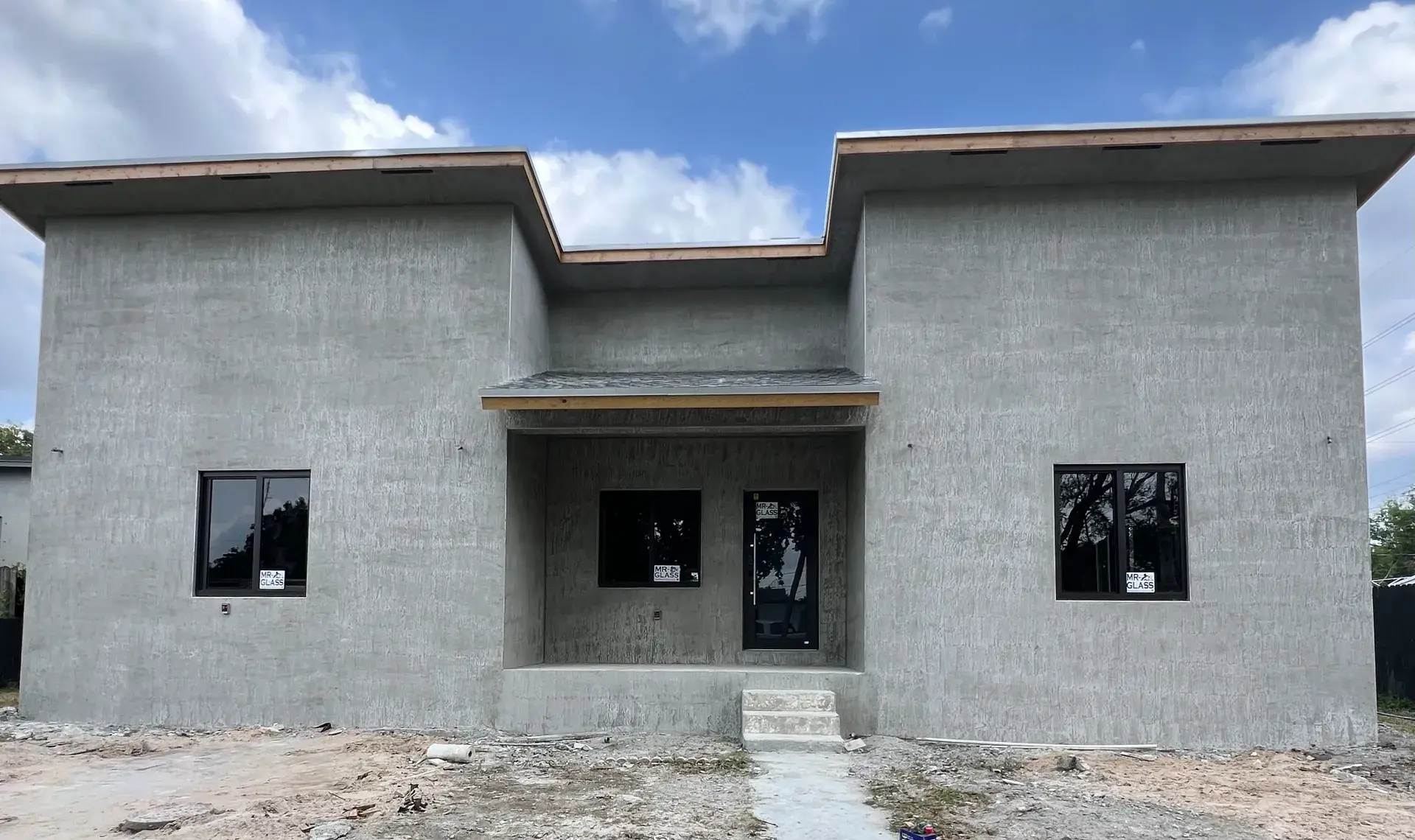
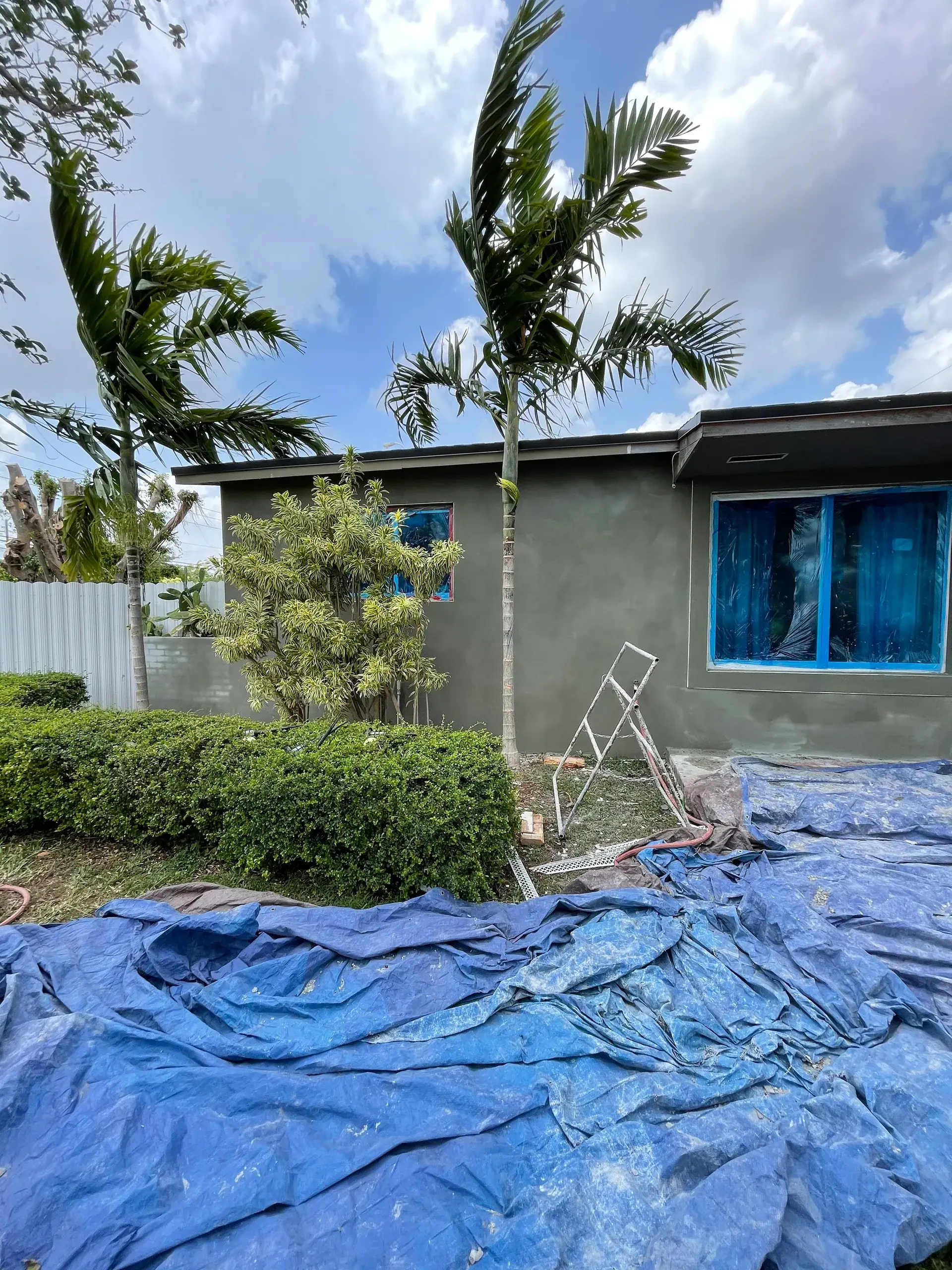
Stucco is not only popular in commercial applications—it's also a favorite among homeowners. Stucco homes are praised for their energy efficiency, low maintenance, and the ability to achieve a wide range of styles—from Mediterranean to modern minimalism.
The Stucco Process and Key Considerations
When considering stucco, it's essential to understand both the process and the factors that affect its performance:
Process
Surface preparation, multi-layer application, texturing, curing, and finishing.
Key Factors
Climate, substrate type, proper maintenance, and initial installation costs.
Conclusion & Next Steps
Stucco remains a timeless, versatile material that can enhance the beauty and efficiency of your home or commercial property. While it requires professional installation and regular maintenance, the benefits—durability, customization, and energy efficiency—make stucco a worthy investment.
Ready to explore stucco for your next project? Consult with trusted professionals today to get started!