South Florida's tropical climate creates unique challenges for stucco exteriors. From hurricane-force winds to relentless humidity, understanding these common problems can help you protect your home and avoid costly repairs.
6 Most Common Stucco Problems
Click any problem below to jump directly to the detailed section.

Cracking
Types, Causes & When to Worry
Cracks are the most visible and most common stucco problem. Not all cracks indicate serious damage, but understanding the different types helps you decide how urgently to act.
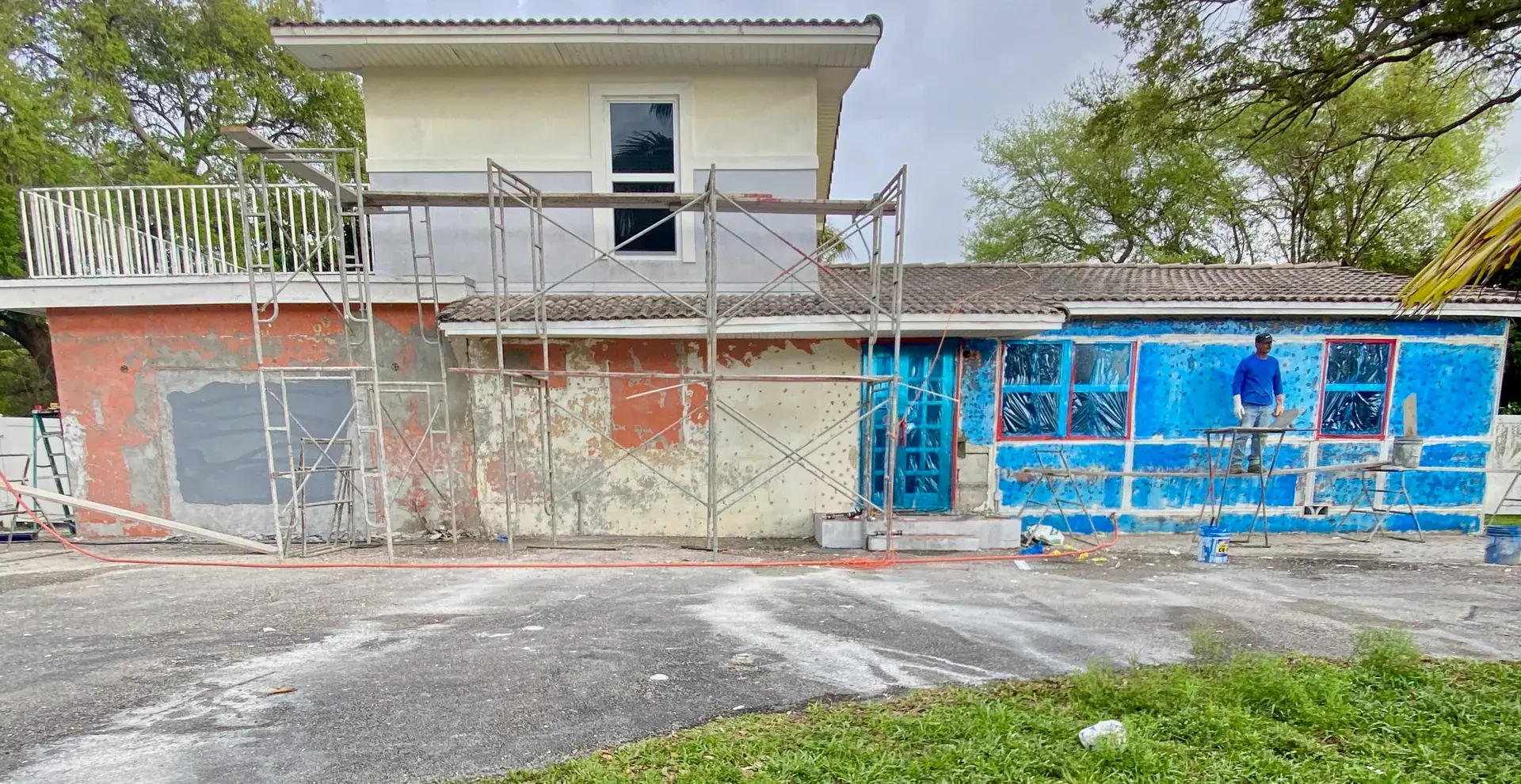
Water Intrusion
Moisture Damage
Once moisture penetrates behind the stucco surface, it can deteriorate sheathing, corrode metal components, and promote mold growth inside wall cavities.
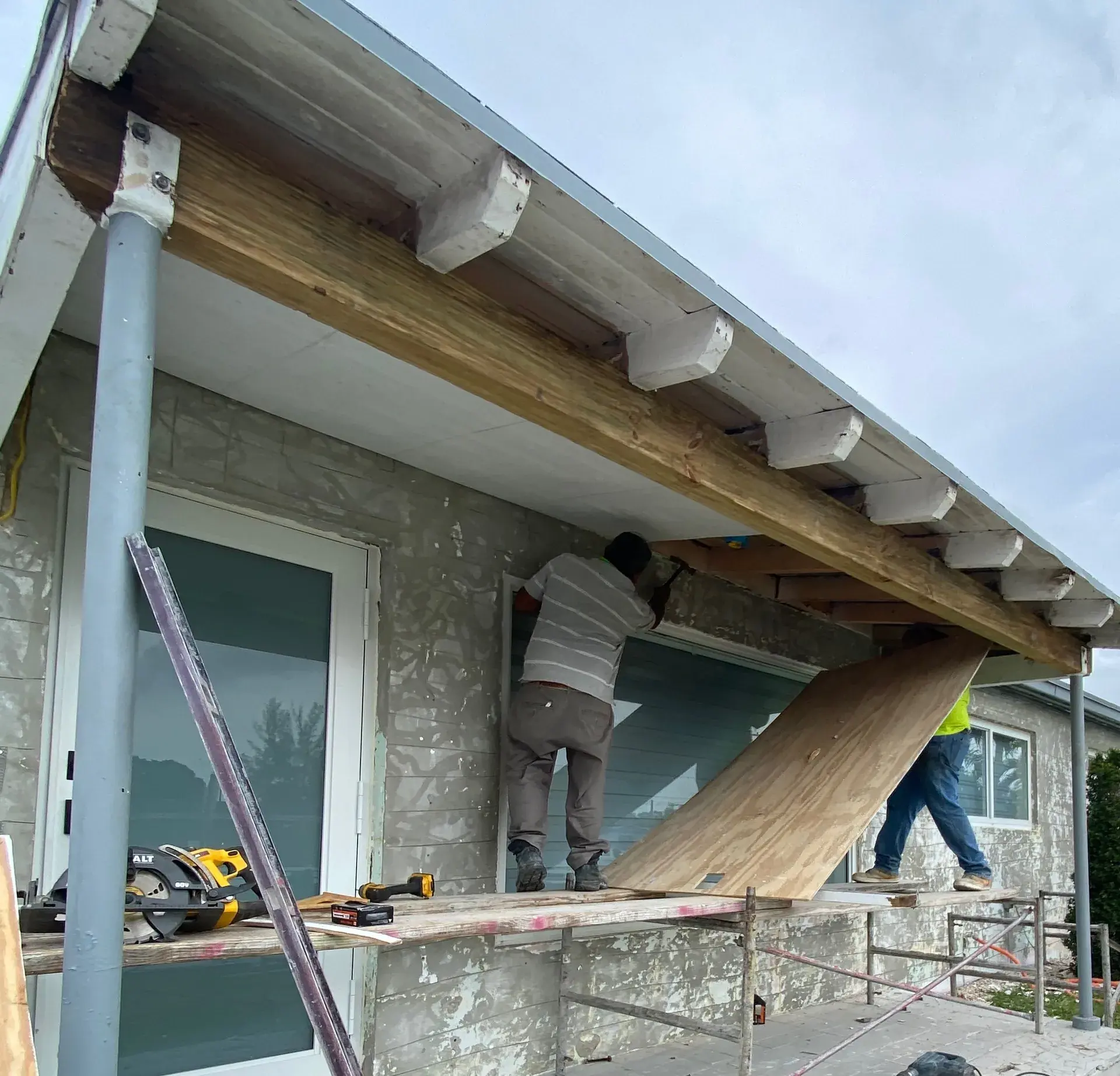
Mold & Mildew
Growth & Prevention
South Florida’s warm, humid conditions make mold and mildew growth on stucco surfaces nearly inevitable without proactive maintenance.
Efflorescence
White Salt Deposits
A white, chalky deposit that occurs when water moves through the stucco, dissolves soluble salts, and evaporates on the surface leaving residue behind.
Delamination & Peeling
Separation & Flaking
Occurs when the stucco finish coat or entire system separates from the substrate. You may notice hollow sounds when tapped or edges lifting away.
Discoloration & Fading
UV & Staining Issues
Primarily aesthetic concerns that can also signal underlying issues. Intense sunlight breaks down pigments in paint and integral stucco color over time.
Why South Florida Is Tough on Stucco
Stucco is one of the most popular exterior finishes across Miami-Dade, Broward, and Palm Beach counties, and for good reason. It holds up well in warm climates, provides a clean aesthetic, and works with nearly every architectural style found in the region. However, South Florida's environment also presents a unique combination of stressors that accelerate stucco deterioration far faster than in drier or more temperate climates.
High Humidity
South Florida averages 73 to 77 percent relative humidity year-round. This constant moisture exposure prevents stucco from fully drying between rain events, creating the conditions for mold growth, efflorescence, and water intrusion behind the surface.
Hurricane-Force Winds
Tropical storms push water into every gap, crack, and unsealed joint. Even tropical-storm-grade winds can force water behind stucco at penetrations around windows, doors, and utility lines.
Salt Air Corrosion
Airborne salt accelerates the deterioration of metal lath, wire ties, and fasteners embedded in the stucco system, weakening the bond between stucco and the substrate over time.
Intense UV Exposure
South Florida receives roughly 60 to 70 percent more annual UV radiation than northern states, which means exterior coatings degrade faster and require more frequent repainting.
Thermal Cycling
Stucco surfaces can reach 150 degrees Fahrenheit or more in direct afternoon sun and then cool rapidly during summer thunderstorms. This repeated expansion and contraction stresses the material and eventually produces cracks.
Cracking: Types, Causes & When to Worry
Cracks are the most visible and most common stucco problem. Not all cracks indicate serious damage, but understanding the different types helps you decide how urgently to act.
Hairline Cracks
Thin surface fractures, typically less than 1/16 of an inch wide. They often result from normal curing shrinkage or minor settling and are generally cosmetic. In South Florida, however, even hairline cracks can become entry points for moisture in heavy rain. Sealing them with an elastomeric coating during routine stucco maintenance is recommended.
Structural Cracks
Wider than 1/8 of an inch and often run vertically or diagonally. They typically indicate movement in the building's foundation or framing. South Florida's sandy, limestone-rich soils are prone to settling, especially after extended dry periods followed by heavy rain. These cracks require prompt professional evaluation.
Stair-Step Cracks
These follow the mortar joints of the underlying block wall in a zigzag pattern. They are a strong indicator of differential foundation settlement or lateral pressure on the wall. In South Florida homes built on fill soil, stair-step cracks are a particular concern and should be inspected by both a stucco contractor and a structural engineer.
Spider Web (Pattern) Cracks
Appears as a network of fine cracks concentrated in one area. This pattern often signals that the stucco was applied too thickly, dried too quickly, or that the mix had too much water. While mainly cosmetic, widespread pattern cracking reduces the stucco's ability to shed water effectively.
When to Worry About Cracks
Any crack wider than 1/8 of an inch, any crack that is actively growing, or any crack accompanied by staining, bubbling, or a soft feel around the area warrants immediate inspection. If you notice cracks appearing after a storm, schedule an evaluation promptly. Early stucco repair is almost always less expensive than waiting for water damage to develop behind the wall.
Water Intrusion & Moisture Damage
Water intrusion is arguably the most damaging stucco problem in South Florida. Once moisture penetrates behind the stucco surface, it can deteriorate sheathing, corrode metal components, and promote mold growth inside wall cavities where you cannot see it.
Signs of Water Intrusion
Dark Staining or Discoloration
Around windows, doors, or at the base of walls, often indicates water running behind the stucco and wicking through.
Bubbling or Blistering
Occurs when trapped moisture tries to escape through the stucco surface, pushing the finish coat away from the base coat.
Soft or Spongy Spots
When you press on the wall, this suggests the underlying substrate has absorbed water and may be rotting or deteriorating.
Interior Water Stains
On drywall adjacent to exterior stucco walls, a late-stage indicator that moisture has been penetrating for some time.
Common Causes
Failed or Missing Flashing
The leading cause of water intrusion in South Florida stucco homes. Flashing directs water away from vulnerable joints, and when it fails, every rainstorm drives water into the wall system.
Missing or Clogged Weep Screeds
Metal channels installed at the bottom of the stucco that allow moisture to exit. When they are missing, improperly installed, or blocked by landscaping, water accumulates inside the wall.
Improper Caulking or Sealant
Around penetrations such as light fixtures, hose bibs, and electrical panels. Sealants in South Florida degrade faster due to UV and heat exposure.
If you suspect water intrusion, a professional moisture test using a non-invasive meter can help determine the extent of the problem before opening walls. Visit our services page to learn how we diagnose moisture issues.
Mold & Mildew Growth
South Florida's warm, humid conditions make mold and mildew growth on stucco surfaces nearly inevitable without proactive maintenance. Mold appears as black, green, or dark gray patches, while mildew typically presents as a lighter gray or white powdery coating. Both thrive in shaded, moisture-prone areas such as north-facing walls, under eaves, and near landscaping that traps moisture against the surface.
Prevention
Trim vegetation at least 12 inches away from stucco walls to improve airflow and reduce shade.
Ensure gutters and downspouts direct water away from the foundation and walls.
Apply mildew-resistant paint or coatings during repainting cycles.
Schedule annual pressure washing at a low PSI setting (under 1,500) to remove organic buildup before it takes hold.
Treatment
Surface mold on stucco can often be treated with a solution of water and oxygen bleach or a commercial mold-removal product designed for masonry. Avoid using chlorine bleach, which can damage stucco coatings and harm surrounding landscaping. Apply the solution, allow it to dwell for 10 to 15 minutes, and rinse with a garden hose or low-pressure washer.
When Professional Remediation Is Needed
If mold returns quickly after cleaning, appears in the same spot repeatedly, or you notice a musty odor inside the home near the affected wall, the mold may be growing inside the wall cavity rather than just on the surface. Interior mold behind stucco requires professional remediation that addresses both the stucco system and the underlying moisture source.
Efflorescence: White Salt Deposits on Stucco
Efflorescence appears as a white, chalky, or crystalline deposit on the stucco surface. It occurs when water moves through the stucco (or the underlying block wall), dissolves soluble salts within the cement or masonry, and then evaporates on the surface, leaving the salt residue behind.
What Efflorescence Means
Efflorescence itself is not structurally harmful, but it is a reliable indicator that moisture is moving through the wall system. Persistent or recurring efflorescence suggests an ongoing moisture intrusion problem that needs to be addressed at the source rather than simply cleaning the surface.
How to Address It
Dry-Brush Fresh Deposits
Use a stiff nylon brush. Avoid using water, which can drive the salts back into the stucco.
Clean Stubborn Deposits
A diluted white vinegar solution or a commercial efflorescence cleaner can be used for persistent buildup.
Fix the Moisture Source
Check for failed flashing, compromised sealant, or drainage issues at the base of the wall.
Apply Masonry Sealer
A breathable masonry sealer reduces future salt migration while allowing the wall to release vapor.
Understanding the true cost of stucco repairs can help you budget for addressing the underlying cause rather than just treating the symptom.
Delamination & Peeling
Delamination occurs when the stucco finish coat or entire stucco system separates from the substrate. You may notice sections of stucco that sound hollow when tapped, edges that are lifting away from the wall, or pieces that have fallen off entirely. Peeling is a related issue where the paint or finish coat flakes away from the base coat beneath it.
Poor Surface Preparation
If the substrate was not properly cleaned, dampened, or primed before application, the stucco may never have bonded adequately.
Water Behind the Stucco
Trapped moisture weakens the bond between the stucco and the lath or substrate over time. This is especially common in South Florida where wind-driven rain can penetrate small gaps.
Corroded Lath or Fasteners
Salt air exposure near the coast accelerates corrosion of the metal lath and attachment hardware, causing the stucco to lose its structural anchor.
Incompatible Coatings
Applying a non-breathable paint or sealer over stucco traps moisture and can cause the finish coat to separate from the base coat.
Addressing Delamination
Localized delamination can sometimes be repaired by removing the loose stucco, addressing any moisture issues, and reapplying stucco to match the existing finish. However, widespread delamination often indicates systemic failure of the stucco system and may require a complete re-stucco. A professional inspection can determine the extent of the damage and the most cost-effective path forward.
Stucco Discoloration & Fading
Discoloration and fading are primarily aesthetic concerns, but they can also signal underlying issues that deserve attention.
UV Damage and Fading
South Florida's intense sunlight breaks down the pigments in paint and integral stucco color over time. South- and west-facing walls fade noticeably faster than shaded or north-facing surfaces. Using high-quality, UV-resistant exterior paint and scheduling repainting every five to seven years helps maintain a consistent appearance.
Organic Growth Staining
Green or black streaks running down the wall are typically caused by algae, mold, or mildew. These stains are especially common under roof edges where rainwater runoff concentrates organic material onto the stucco surface. Regular cleaning and treating the roof edge with zinc or copper strips can reduce this type of staining.
Mineral and Rust Staining
Orange or brown streaks may indicate rust from corroding metal components within the stucco system, such as lath, nails, or flashing. Mineral-rich irrigation water can also leave deposits on stucco surfaces. If rust staining is present, it is important to investigate the source because corroding metal inside the wall can lead to more serious structural issues.
When to Repair vs. When to Re-Stucco
Deciding between targeted repair and full re-stucco depends on the scope, severity, and root cause of the damage. Here is a practical decision framework.
Repair Is Typically Sufficient When:
- ✓Cracks are isolated, limited to a small area, and not associated with structural movement.
- ✓Damage is confined to the finish coat while the base coat and lath remain intact.
- ✓Moisture intrusion has been caught early and the underlying substrate is still sound.
- ✓Less than roughly 20 to 25 percent of the total stucco surface is affected.
Re-Stucco May Be Necessary When:
- ✗Delamination or hollow-sounding areas are widespread across multiple walls.
- ✗The metal lath is significantly corroded, particularly in coastal homes.
- ✗Persistent moisture problems have damaged the sheathing or framing behind the stucco.
- ✗The home is older and the original stucco system was installed without modern best practices.
- ✗Repair costs are approaching 50 percent or more of a full re-stucco.
Our stucco cost guide provides detailed pricing information to help you compare repair versus replacement expenses. For storm-related damage, see our guide on stucco and hurricane preparedness.
How to Choose a Stucco Repair Contractor
Selecting the right contractor is critical to getting a repair that lasts. South Florida has many stucco contractors, but not all have the experience or attention to detail required for quality work. Here are the key factors to evaluate.
Licensing & Insurance
Verify that the contractor holds an active Florida state license and carries both general liability and workers' compensation insurance. Ask for certificate copies before work begins.
Local Experience
Choose a contractor with extensive experience in South Florida specifically. Stucco challenges here differ from other regions, and local expertise matters for proper material selection and application techniques.
Written Estimates
A reputable contractor provides a detailed written estimate that specifies the scope of work, materials to be used, timeline, warranty terms, and total cost. Be wary of verbal-only quotes.
References & Portfolio
Ask for references from recent projects similar in scope to yours. Review photos of completed work and, if possible, visit a current or recently completed job site.
Moisture Testing
A contractor who offers or recommends moisture testing before beginning repairs demonstrates a commitment to diagnosing the root cause rather than just patching surface symptoms.
Warranty
Understand what the warranty covers, how long it lasts, and whether it is transferable if you sell the home. A contractor confident in their work will stand behind it with a meaningful written warranty.
Learn more about our approach on our services page, or browse completed projects in our project gallery.
Concerned About Your Stucco? Get a Free Inspection
Whether you've spotted cracks, staining, or just want peace of mind before hurricane season, our team provides thorough inspections and honest assessments for homeowners across Miami-Dade, Broward, and Palm Beach counties.